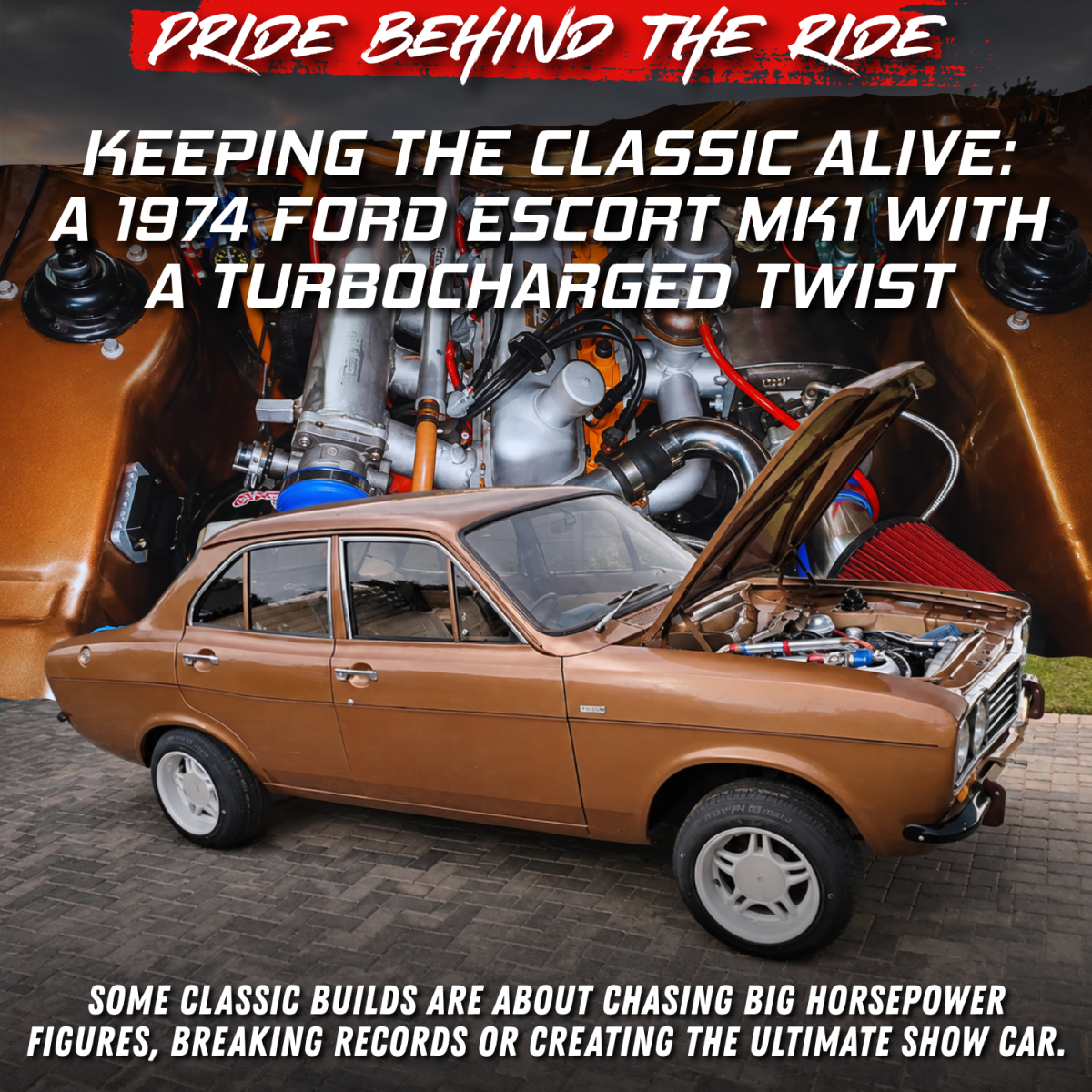
Some classic builds are about chasing big horsepower figures, breaking records or creating the ultimate show car. Others are about something a little different: preserving automotive history, enjoying the journey and keeping a piece of motoring heritage alive.
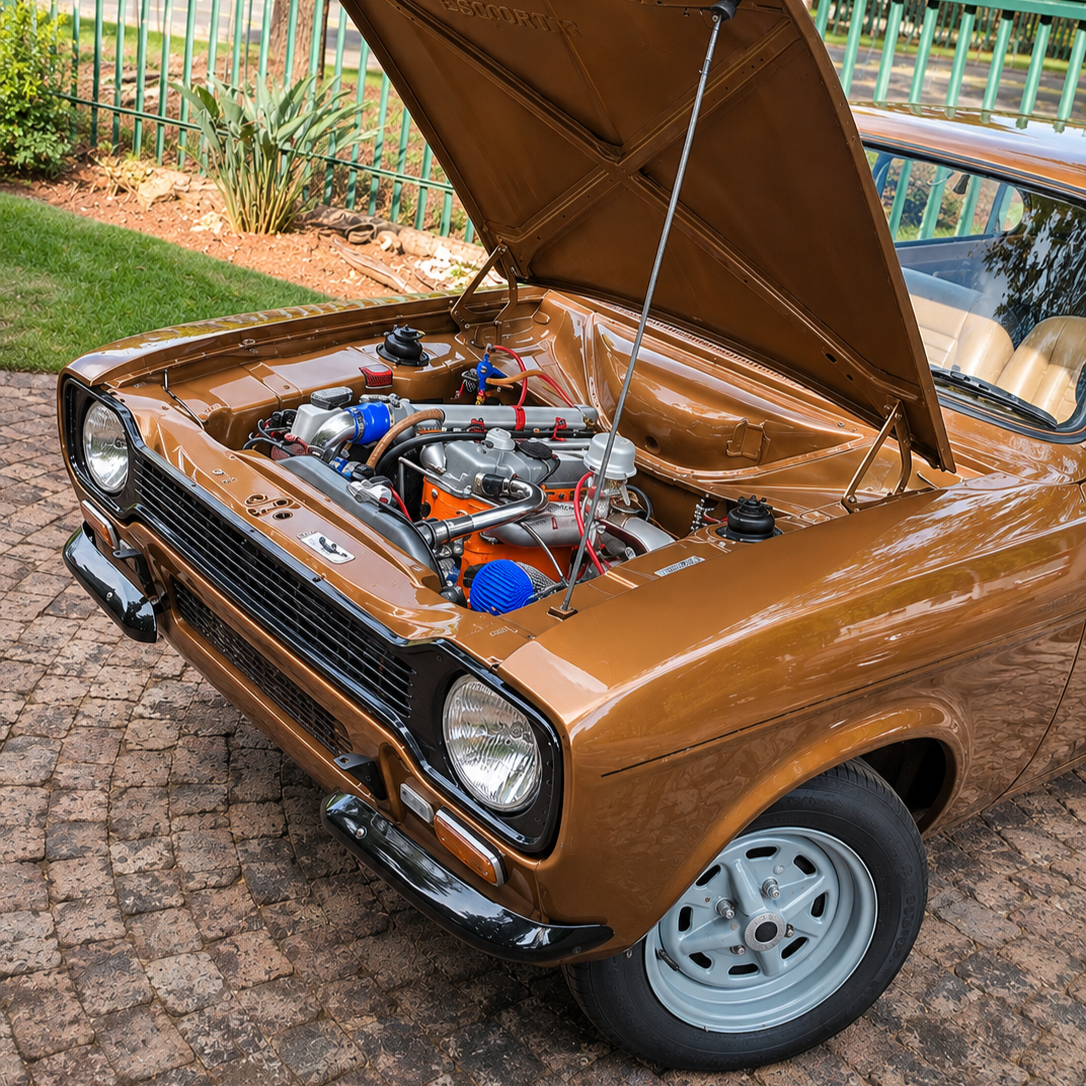
This 1974 Ford Escort Mk1 is a perfect example of the latter. With its original factory tawny brown paintwork, untouched interior and legendary 1600 Kent engine, it looks like a classic Escort that has simply been enjoying a quiet life. But underneath that understated appearance is something a little more interesting – a home-built, low-boost turbo conversion that gives this old-school Ford a modern performance twist.
A Classic Found Waiting for a Second Chance
The Escort was purchased approximately two years ago as a non-runner. Despite being almost 50 years old, it had something special going for it: the car was still wearing its original 1974 factory tawny brown paint.
It had never been resprayed, had never been crashed and, remarkably, had no rust. Finding a Mk1 Escort in this kind of original condition is becoming increasingly difficult, making it a car worth preserving rather than simply turning into another heavily modified project.
Over the following year and a half, parts were gradually collected, plans started coming together and the process of bringing the Escort back to life began.
One of the first major jobs was a complete rewire. Every effort was made to get the electrical system working properly, and today all the lights and electrical components are functioning as they should.
The goal was never to build something that looked good but couldn't be enjoyed. It had to be a classic that could actually be driven.
The Original 1600 Kent Gets a Turbo
Rather than going down the conventional engine-swap route, the decision was made to keep the original 1600 Kent engine platform and give it a little extra breathing room.
A second-hand engine was purchased and underwent a stock rebuild and refresh before the turbo conversion began. Interestingly, the entire turbo setup was designed, fabricated and installed at home, making this a genuinely hands-on build.
The idea was to create something unique without losing the character of the original car. A turbocharged Kent engine is not something you see every day, especially in South Africa, where this particular approach remains relatively uncommon.
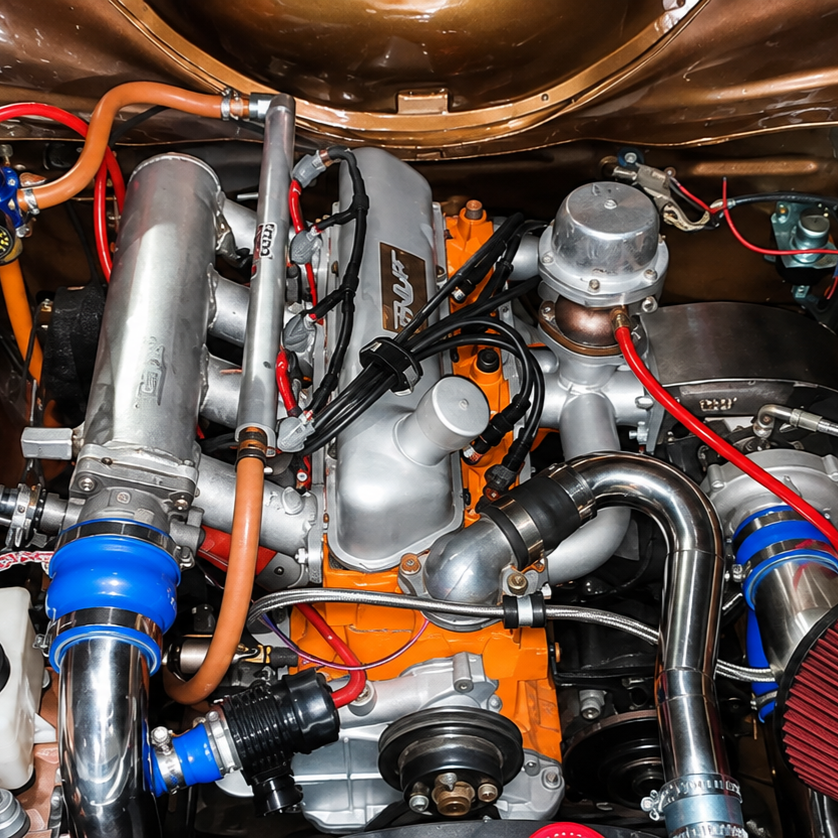
Under the bonnet, the engine retains its factory-style internal components, including the original Ford pistons, connecting rods and crankshaft. The cylinder head is also essentially stock, having been refreshed and fitted with stronger valve springs while retaining the original camshaft and head gasket.
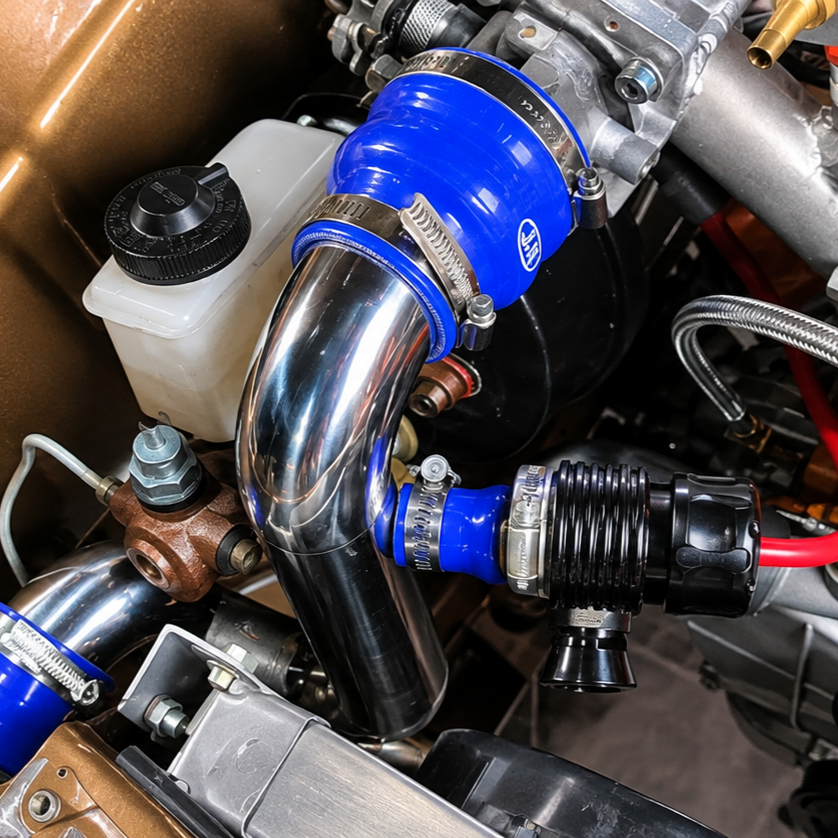
The setup is deliberately kept mild, running a KKK turbocharger at just 0.6 bar of boost on pump fuel.
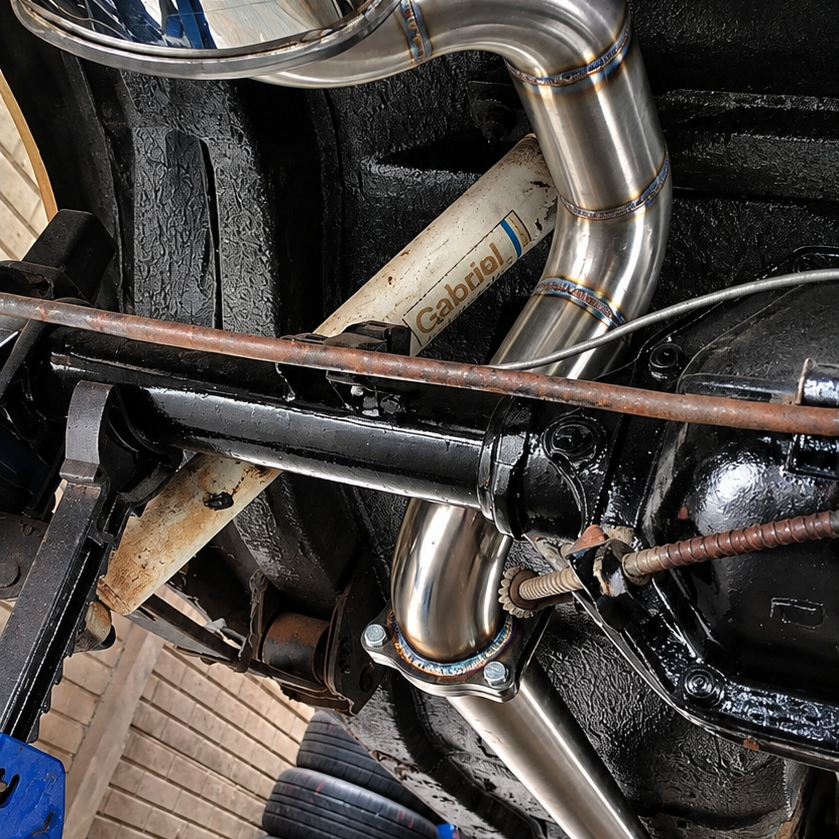
All the turbo piping and manifolds are custom-built, while engine management is handled by a Dictator STD system with 380cc injectors and a modified distributor.
Power is transferred through a lightened flywheel, an Optimum Clutch modified clutch and a five-speed Type 9 gearbox.
The Numbers Behind the Build
For an engine design dating back to the 1960s, the results are certainly impressive.
Producing 91 kW and 160 Nm at the wheels, the little Kent engine has certainly gained a new lease on life.
The ignition timing has intentionally been kept very mild to prioritise reliability over chasing maximum power. The idea was never to push the engine to its limits, but rather to build a dependable package that offers a noticeable improvement over the original naturally aspirated setup.
For a largely standard engine design originating in 1974, the result is something to be proud of.
Keeping Things Original Where It Matters
One of the most appealing aspects of this Escort is what hasn't changed.
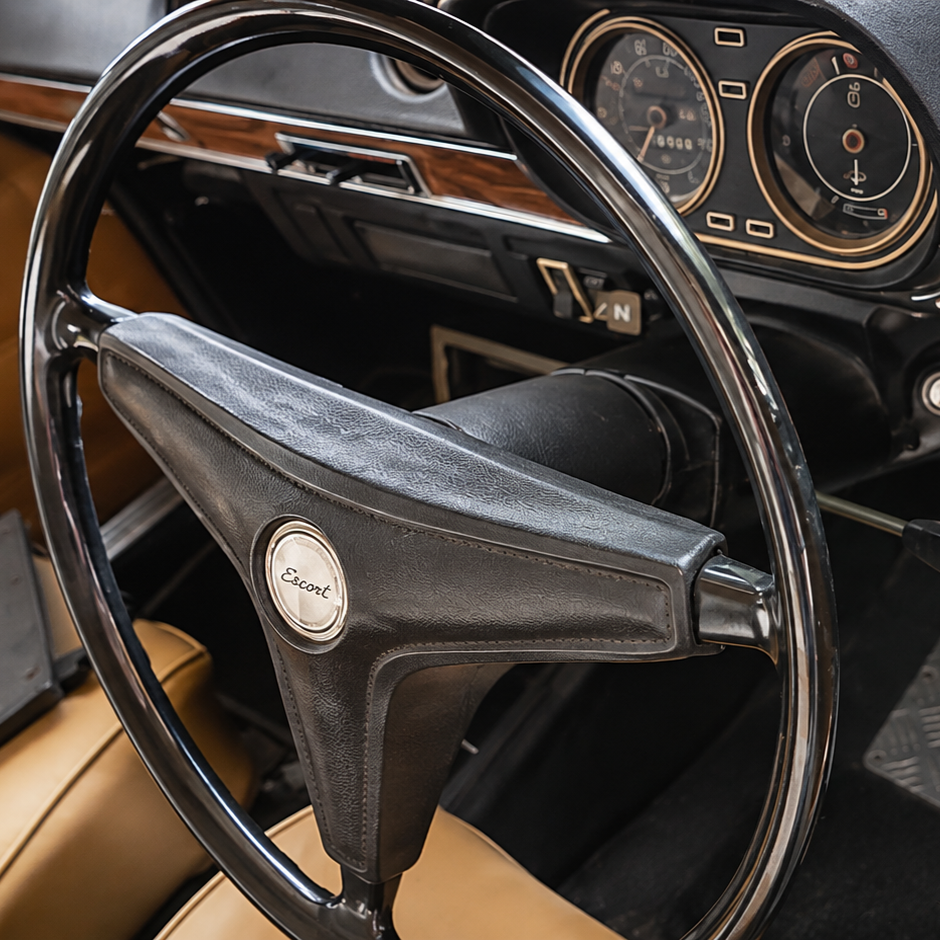
The interior remains completely factory, maintaining the old-school atmosphere that makes these cars so special. There are no unnecessary modernisations or radical cosmetic changes trying to turn it into something it isn't.
Externally, the car retains its original character too. The aim was to create a sleeper-style build – something that looks like a classic Escort at first glance but has a little surprise waiting under the bonnet.
It's a subtle combination of old and new: classic styling, original Ford engineering and modern engine management technology working together to make the car more enjoyable and dependable.
More Than Just a Weekend Project
Perhaps the most special part of this build has very little to do with horsepower or fabrication.
The project became something of a father-daughter-and-wife collaboration. With a five-year-old daughter who is already very enthusiastic about helping Dad in the garage and absolutely loves going for drives in the Escort, the build has become about much more than just restoring an old car.
It's about creating memories, sharing a passion for cars and passing that enthusiasm on to the next generation.
The Escort was built purely as a weekend cruiser, but it has proven itself capable of much more. Long-distance drives are a regular occurrence, and according to its owner, the car never misses a beat.
That reliability is exactly what the build was aiming for. There's little point in owning a classic if you're too worried about driving it.
A Different Kind of Performance Build
In a world where engine swaps, big turbochargers and huge horsepower numbers often dominate the modified car scene, this Mk1 Escort takes a refreshing approach.
Instead of replacing the original engine, it retains the legendary 1600 Kent and gives it a carefully considered turbo conversion. Instead of chasing maximum power, the focus remains on drivability, reliability and keeping the car enjoyable.
It's a reminder that a successful build doesn't always need the biggest numbers or the most expensive components.
Sometimes, all it takes is a classic Ford, a bit of creativity, countless hours in the garage and a willingness to do things differently.
A 1974 Ford Escort Mk1, still wearing its original paint, with a factory-style interior and a turbocharged Kent engine producing 91 kW at the wheels.
Built at home. Built to be driven. Built to keep the classic alive.
And perhaps most importantly, built to create memories that will last long after the engine has cooled down.